
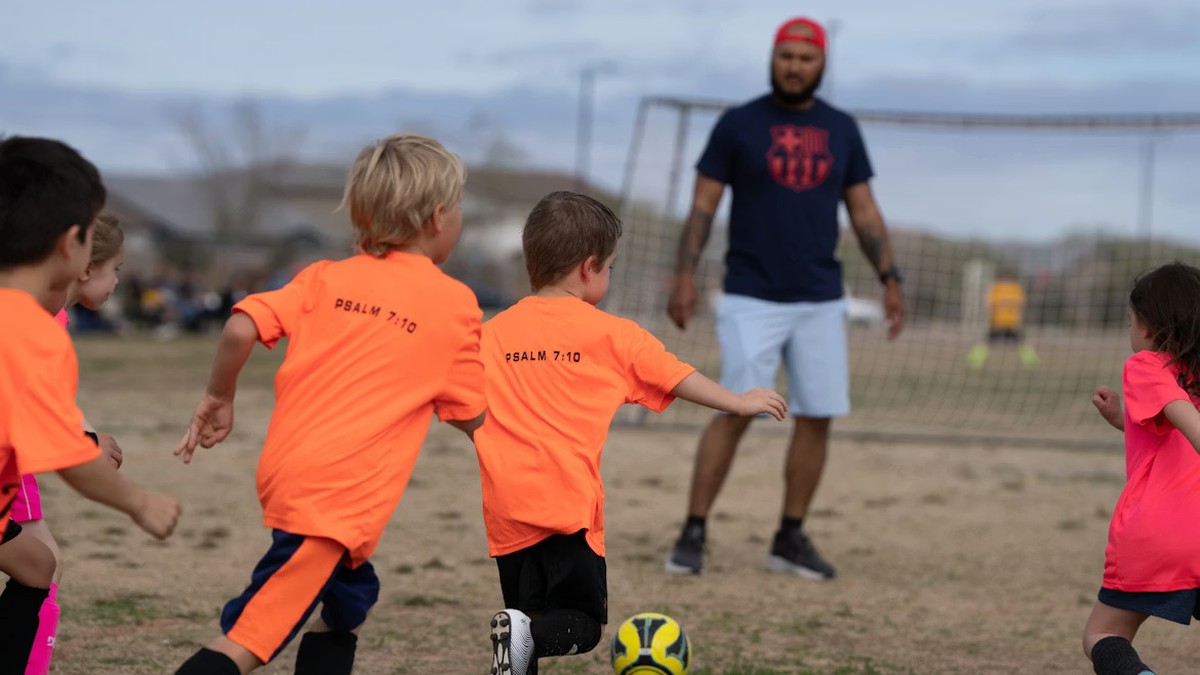
The first month of youth soccer sets the tone for the whole season.
A little planning makes practices smoother and helps kids feel confident faster.
This guide offers a simple, parent-friendly plan for the first 30 days.
The beginning of a season is exciting and chaotic at the same time. Kids are learning new rules, new friends, and new expectations. Parents are learning what “on time” really means in a muddy field with a parking lot that fills up fast.
A good first month isn’t about turning your child into a star. It’s about building comfort: knowing what to bring, what to practise at home, and how to support your child without making soccer feel like pressure.
Week 1: get the basics right (and keep it simple)
Start with gear and a routine. When the basics are handled, your child can focus on play. If you’re unsure what’s actually essential and what’s just extra, The soccer parent’s guide to essential gear and uniforms is a helpful checklist.
Pack the bag the night before. Include a water bottle, shin guards, socks that fit over them, and weather layers. Label everything. Youth sports have a way of turning identical black jackets into mystery items.
Week 2: build confidence with tiny at-home reps
Kids improve fastest when they get short, low-pressure touches on the ball at home. Ten minutes in the garden or driveway does more than one long session that feels like homework.
Keep it playful. Set up a few cones (or shoes) and dribble through them. Practise stopping the ball under the sole. Pass against a wall and trap it. The goal is comfort with the ball, not perfection.
Week 3: understand what “development” should look like
Parents sometimes worry when their child doesn’t look like the most advanced player in the first few games. Age matters. Experience matters. Confidence matters. Comparing too early can steal the fun.
If your child is young, it helps to know what skills are age-appropriate so your expectations match reality. Age-appropriate soccer development from Pre-K to Grade 4 offers a grounded view of what progress looks like at different stages.
Week 4: settle into a supportive parent role
The best parent role is steady: show up, encourage effort, and let the coach coach. Kids often play better when they feel safe to make mistakes. A sideline full of instructions can make them freeze because they’re trying to please everyone at once.
Try a simple sideline language rule: comment on effort, not outcome. “Great hustle” lands better than “you should have passed.” It keeps soccer associated with courage and learning rather than fear of messing up.
What to bring to every practice
To make life easier, keep a standard packing list and restock after each session:
- Ball + pump: a properly inflated ball changes everything.
- Shin guards + socks: comfort and safety, always.
- Water + snack: especially for double-activity days.
- Weather layer: rain jacket or warm top depending on season.
- Small first aid basics: plasters and wipes for minor scrapes.
Thinking about travel soccer?
Some families begin hearing about travel soccer almost immediately. The invitation can feel flattering, and it can also feel confusing. Travel soccer can be great for certain kids and families, but it’s a bigger commitment than many people expect.
If you’re wondering whether your child is ready and whether your family schedule can handle it, Is your child ready for travel soccer? Understanding the commitment helps you weigh the decision without hype.
How to measure progress without stress
Look for small wins: your child runs with more confidence, tries a new move, remembers where to stand, or recovers after a mistake. These are real markers of growth. Goals and assists are fun, but they’re not the only scoreboard.
Also notice emotional progress: does your child want to go to practice? Do they talk about teammates? Do they laugh on the pitch? Joy is not a bonus; it’s a fuel source for development.
A parent’s job in the first month
Your job is to make the environment supportive. That means keeping routines calm, packing consistent, and giving your child space to learn. It also means letting soccer be part of life, not the whole thing.
At the end of the first 30 days, you should feel like you’re no longer guessing. You’ll know the field, the rhythm, the gear, and the vibe. Once that foundation is set, the season becomes more enjoyable for everyone.