
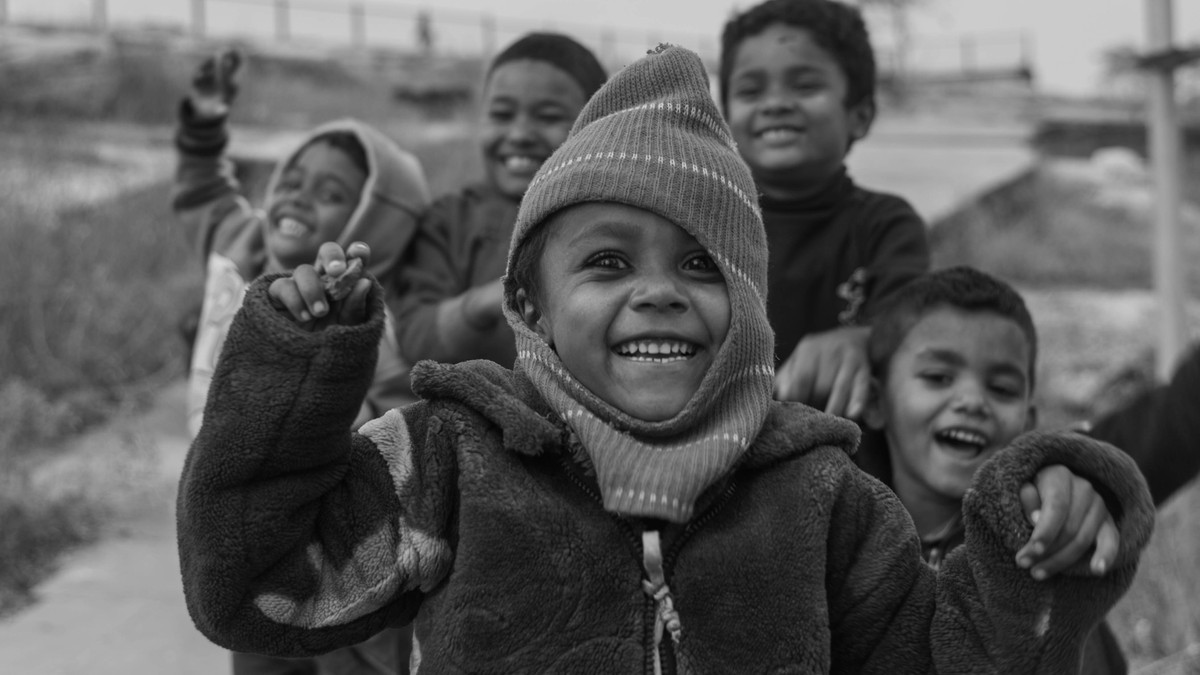
Resilience is not a trait kids either have or lack. It is a set of repeatable skills built through small, consistent practice. The focus here is language, routines, and low-stakes reps that build confidence.
- Use one coaching phrase and repeat it.
- Practice one hard thing daily in a small way.
- Let kids fix one mistake without rescuing.
- Review one win every night.
What Resilience Actually Is
Resilience isn’t an inborn trait some children possess while others lack. It’s a set of skills and perspectives that can be taught, practiced, and strengthened over time. Resilient children experience setbacks, disappointment, and failure just like everyone else. But they bounce back faster and extract lessons from those experiences.
The foundation of resilience is a child’s belief in their own agency. The understanding that their actions matter and they can influence outcomes. When children experience both challenges and their own ability to overcome those challenges, they develop confidence in their resilience.
The Resilience Paradox: Growth Requires Struggle
Many well-meaning parents accidentally undermine resilience by eliminating all struggle. They rescue their children from every difficulty, solve every problem, and cushion every failure. While this feels protective, it actually conveys a dangerous message: “I don’t believe you’re capable of handling difficulty.”
True resilience develops through struggle. When children face age-appropriate challenges, work through them, and discover their own capability, they internalize an unshakeable belief: “I can figure this out.” This belief becomes their greatest asset throughout life.
Practical Strategies for Building Resilience
Allow Natural Consequences
When safe and age-appropriate, let children experience the natural consequences of their choices. Forgot lunch? They go hungry and learn to remember. Didn’t study for the test? They fail and learn that effort connects to results. Lost their favorite toy? They experience loss and learn to be more careful.
This doesn’t mean ignoring your child’s suffering. It means resisting the urge to rescue them from every consequence. Empathy and boundaries can coexist: “That sounds really frustrating. I believe you can figure out what to do differently next time.”
Model Resilience
Children learn resilience by observing it. When you face challenges, let your kids see you struggle, persist, and overcome. Share appropriate vulnerability: “I tried something today and it didn’t work the first time. Here’s what I learned…” This normalizes struggle as a natural part of life rather than a personal failure.
Teach Problem-Solving Skills
Rather than solving problems for children, guide them through problem-solving: “What do you think might help?” “Have you tried…?” “What could you do differently next time?” These questions teach the process of problem-solving that becomes their internal resource for future challenges.
Reframe Failure as Information
Failure contains valuable data. You learned what doesn’t work, what you need to practice, or how to approach differently next time. When children fail at something, ask: “What did you learn?” “What would you do differently?” “What will you try next?” This transforms failure from shame to education.
Celebrate Effort Over Outcome
Rather than praising children only for success, praise the effort, persistence, and strategies they use: “I noticed you tried three different approaches before finding one that worked. That’s how we learn.” This teaches that effort matters more than innate ability and that challenges are opportunities to develop skills.
Building Emotional Intelligence
Normalize All Emotions
Children who learn to acknowledge and express all emotions. Including difficult ones. Develop greater emotional resilience. Validate their feelings: “You seem frustrated,” or “That sounds scary.” Avoid dismissing emotions with phrases like “Don’t be sad” or “You shouldn’t feel that way.”
Teach Emotion Regulation
Resilience includes the capacity to manage difficult emotions without being controlled by them. Teach children breathing techniques, progressive muscle relaxation, or other somatic practices. Provide tools they can access when overwhelmed: taking a walk, creating art, journaling, or talking with a trusted person.
Ask Questions, Not Accusations
When children are emotional, asking “Why did you do that?” feels like criticism. Instead, ask open-ended questions: “What happened?” “How did that make you feel?” “What do you need right now?” These questions develop self-awareness and emotional literacy.
Creating Secure Attachment While Encouraging Independence
Be the Secure Base
Paradoxically, children venture into challenges more readily when they have a secure home base. An adult they know is reliably present, accepting, and invested in their wellbeing. This security allows them to take healthy risks knowing they can return for comfort and support.
Gradually Increase Independence
Resilience develops through progressively challenging experiences. A toddler learns self-soothing. A preschooler learns to handle minor social conflicts. A school-age child manages school challenges and friendship dynamics. A teen navigates increasingly complex social and academic situations. Each stage builds on previous mastery.
Resist Over-Scheduling
Boredom and unstructured time, while uncomfortable for both children and anxious parents, actually build resilience. When children are bored, they learn to create entertainment, solve their own problems, and manage their own emotions. Over-scheduled children never develop these capacities.
The Role of Relationships
The strongest predictor of resilience isn’t intelligence or social class. It’s the presence of at least one caring adult who believes in the child and provides consistent support. This doesn’t require perfection; it requires showing up, paying attention, and conveying “I believe in you.”
Be that person in your children’s lives. Show up consistently, even when messy emotions emerge. Believe in their capacity to grow and overcome. Your belief in them becomes their internal belief in themselves.
Building Community Resilience
Children also develop resilience through diverse relationships and communities. Extended family, teachers, coaches, mentors, and friends provide multiple perspectives, support systems, and role models. Encourage these connections rather than keeping your child’s social world limited to immediate family.
When Professional Support Helps
Some children face trauma, significant mental health challenges, or circumstances beyond typical childhood struggle. In these situations, professional support (therapy, counseling, or medical intervention). Isn’t a sign of weakness but a resource that strengthens resilience. Getting help when needed is itself resilient behavior.
Long-Term Perspective
Raising resilient children requires patience and faith. You’re not raising children who never struggle or fail. You’re raising children who can handle struggle and failure with grace, learn from setbacks, and maintain confidence in their own capabilities.
This takes time. Your teenager might seem ungrateful for your refusal to rescue them. Your school-age child might be frustrated by your “let them figure it out” approach. But years later, these children will navigate adult challenges (career setbacks, relationship difficulties, personal losses). With remarkable resilience because they learned early that they’re capable and that challenges don’t define them.
Begin Today
Identify one area where you’re over-functioning in your child’s life. This week, step back slightly. Let them experience appropriate struggle. Resist the urge to rescue. Watch what emerges when you give your child space to discover their own capability. You’re not being cruel; you’re building the foundation for a lifetime of resilience and confidence in who they are and what they can do.