
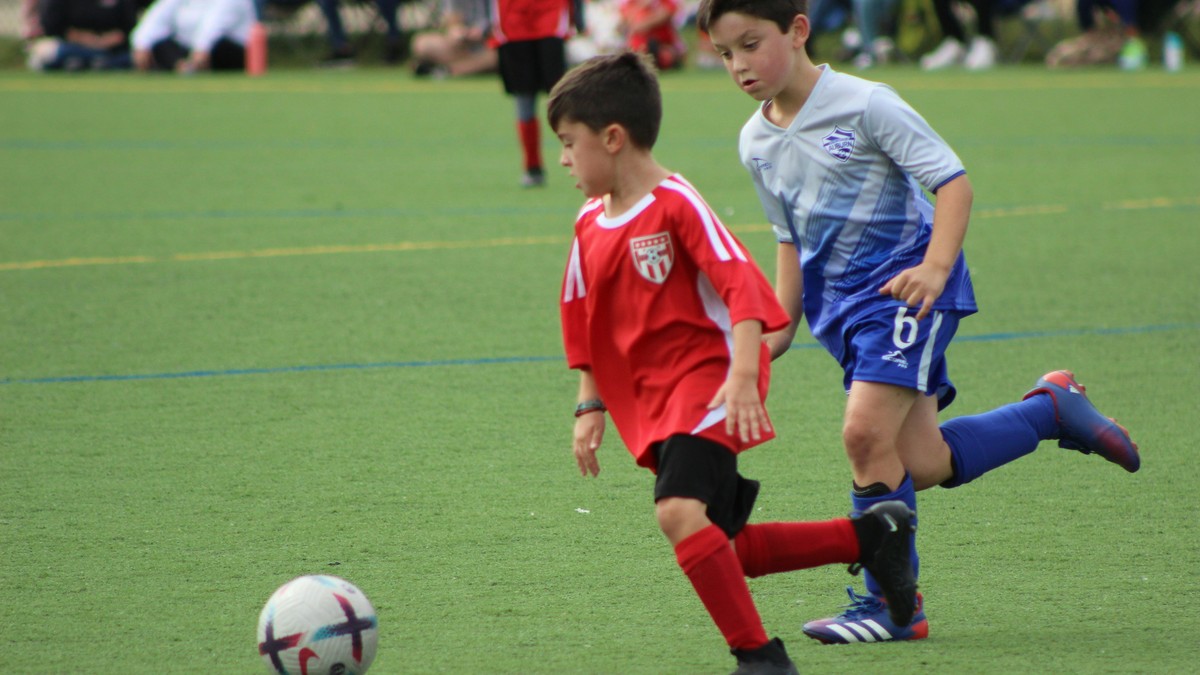
Game day can turn small emotions into big ones. A child may be excited and nervous at the same time, while parents feel responsible for helping them perform. When everyone is keyed up, tears and tension are more likely—especially after mistakes, limited playing time, or a tough loss. A simple parent routine can lower the emotional temperature without ignoring the importance of the game.
Principle: calm is contagious (and so is pressure)
Children take cues from adults. If a parent’s voice speeds up, instructions increase, or disappointment is visible, the child’s nervous system interprets the game as danger rather than challenge. The goal is not to be emotionless; it is to be steady.
- Steady tone matters more than perfect words.
- Fewer instructions reduce cognitive overload.
- Predictable routines reduce uncertainty and anxiety.
- Connection first makes coaching feedback easier to hear later.
This routine is designed to help parents regulate themselves first. When the adult nervous system is calm, the child’s nervous system has a model to follow.
Phase 1 (night before): remove friction
Many game-day meltdowns start with rushed mornings. A small amount of prep reduces stress before anyone reaches the field.
- Pack kit bag: boots, shin guards, socks, water, weather layer.
- Confirm game time, location, and arrival plan.
- Choose a simple pre-game meal and snack.
- Set a bedtime routine that protects sleep (screens off, calm wind-down).
- Set expectations for the morning: when to eat, when to leave, what to do if running late.
If the child is prone to nerves, avoid “big talk†the night before. Keep conversation normal and reassuring. If a child asks “What if I play badly?â€, the most helpful response is often: “Then it will be a hard game, and it will still be OK.â€
Phase 2 (drive and arrival): one message only
Over-coaching often happens in the car. Parents want to help, so they explain tactics, remind about mistakes, and preview opponents. That usually increases anxiety.
The one-message rule: choose one short, positive focus for the day, then stop talking about soccer strategy. Examples: “Work hardâ€, “Be a good teammateâ€, “Enjoy the gameâ€, “Play braveâ€.
- Ask what the child needs: music, quiet, or conversation.
- Arrive early enough for a calm warm-up.
- Encourage a quick body reset: bathroom, water, a few deep breaths.
- Let coaches handle the warm-up plan; parents can support hydration and calm.
A helpful question on arrival is: “Do you want me close by, or should I give you space?†Some kids settle better when parents step back.
Phase 3 (during the match): support without directing
Sideline instruction can pull attention away from the game. Kids need to see the field, hear teammates, and make decisions. The parent role is emotional support.
- Cheer effort (“Nice workâ€, “Keep goingâ€), not specific tactics.
- Never coach through mistakes. A mistake is already stressful; extra commentary stacks shame onto it.
- Watch body language. If the child looks overwhelmed, a simple thumbs-up can be better than words.
- Manage parent-to-parent talk. Complaints about refs, coaches, or other players raise tension for everyone nearby.
- Model sportsmanship. Kids notice how adults handle frustration.
If the urge to shout instructions is strong, use a reset cue: hands in pockets, slow exhale, and one silent count to five before speaking. This prevents reactive coaching that usually does not help.
Phase 4 (halftime): hydration, not a lecture
Halftime is short. Children need water, a snack, and a mental reset. Even helpful advice can feel like criticism when emotions are high.
- Offer water and a quick snack.
- Use a calm phrase: “Reset and go again.â€
- If asked for advice, give one simple point, not five.
- Keep the face and voice neutral; disappointment can land as rejection.
Unless the coach requests parent input, let coaching remain with the coaching staff. Parents can be the “safe base†where a child can breathe.
Phase 5 (after the match): a three-step debrief that prevents tears
The minutes after the final whistle are emotionally intense. The brain is still in “fight-or-flightâ€, and critical feedback lands harder. A structured debrief protects the relationship and helps kids process wins and losses.
- Step 1: regulate (5–10 minutes). Water, snack, and quiet time before analysis.
- Step 2: connect. One unconditional message: “Love watching you play.â€
- Step 3: reflect (only if invited). Ask two questions: “What felt good?†and “What do you want to work on?â€
If the child is upset, resist the urge to fix it immediately. Validation works better: “That was hard. It makes sense to feel disappointed.†If a child spirals into harsh self-criticism, gently redirect to one controllable: effort, attitude, or one skill goal for next week.
Next steps (make the routine repeatable)
Choose the one-message focus for the next match and write it on a note in the kit bag. Pack the night before, plan the drive, and commit to “support, not direct†during play. After the game, follow the three-step debrief: regulate, connect, reflect.
For the next two games, track one metric: how calm the car ride felt (not the score). When calm improves, confidence and enjoyment usually follow. Calm does not remove competition; it makes competition manageable.