
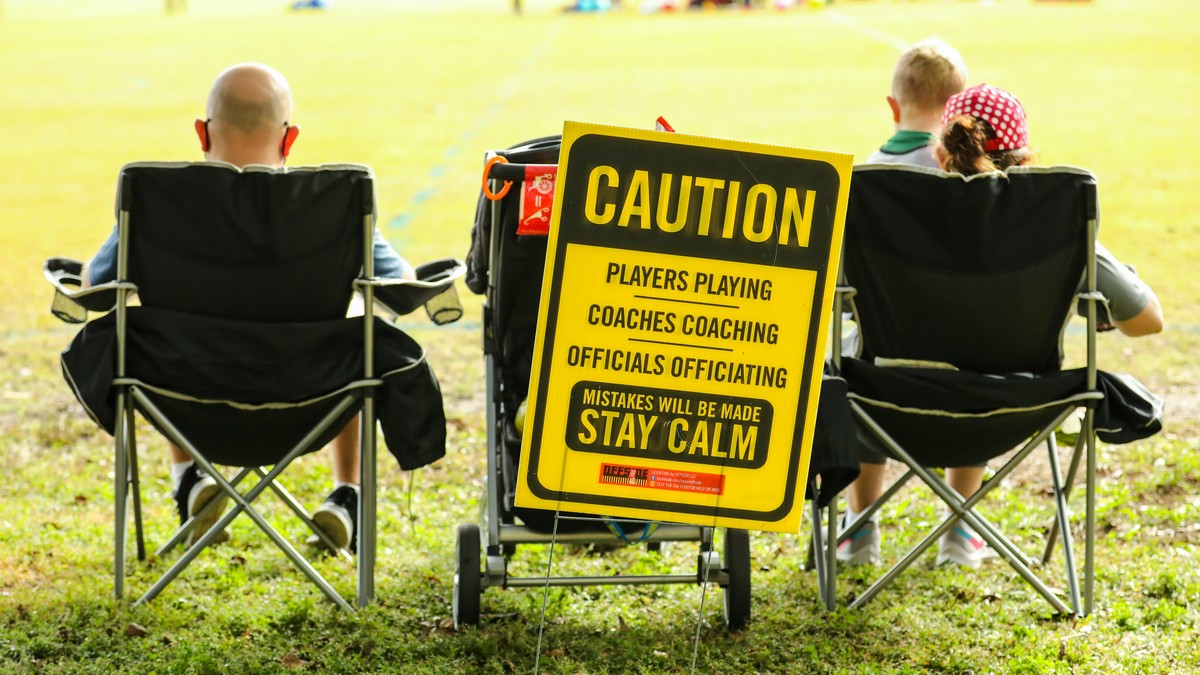
Burnout in youth sports is often misunderstood as laziness or a bad attitude. More commonly, it is a predictable response to pressure, fatigue, and a loss of control. A child who once loved training may start complaining of stomach aches on practice days, feel unusually emotional after games, or stop wanting to talk about the sport at all. These signals are not a character flaw; they are data. Catching burnout early is far easier than rebuilding motivation after a complete shutdown.
What burnout looks like (beyond I don’t want to go)
Children rarely label burnout directly. It shows up as changes in behaviour and body.
- Emotional signs: irritability, tearfulness, dread before training, unusually harsh self-talk.
- Physical signs: persistent soreness, headaches, trouble sleeping, frequent minor illnesses.
- Motivation signs: loss of interest, going through the motions, sudden avoidance of sport conversations.
- Performance signs: unusually timid play, fear of making mistakes, or anger outbursts.
Some stress is normal. Burnout is when stress consistently outweighs enjoyment and recovery. If a child seems fine until the day of training and then melts down, that pattern often signals accumulated pressure rather than a one-off bad mood.
Parent mistakes that drive burnout (and what to do instead)
Mistake 1: Making performance the family mood
Children read the emotional climate at home. When a match result determines whether the car ride is tense or warm, sport becomes a high-stakes test rather than a game.
What to do instead: keep the same tone after wins and losses. Praise effort and learning, not outcomes. If feedback is needed, ask permission: “Do you want coaching feedback or just a hug and a snack?”
Mistake 2: Talking too much on game day
Over-instruction from the sidelines and constant reminders create cognitive overload. Soccer already demands scanning, decision-making, and self-regulation. Extra input can make a child play tight and fearful.
- Avoid giving directions during live play unless safety is involved.
- Do not correct every mistake; mistakes are part of learning.
- Let coaches coach. Parents support.
What to do instead: choose one simple encouragement phrase and repeat it occasionally (for example, “Keep working or Good effort”). If the child seeks feedback after, keep it short and positive.
Mistake 3: Treating the child as the family project
Well-intentioned parents can accidentally make sport the centre of family identity: extra clinics, private training, travel tournaments, and constant analysis. When the child senses they exist to fulfil a plan, autonomy drops and motivation drops with it.
What to do instead: give the child real choices. Choices can be small but meaningful: whether to attend an extra session, which position they want to try, or whether they want a rest weekend. Autonomy is protective against burnout.
Mistake 4: Underestimating recovery (sleep, food, and downtime)
Many kids are training more than ever while sleeping less than ever. Add school demands and screens, and the body never fully resets. Fatigue makes emotions harder to manage and increases injury risk.
- Protect sleep on training nights with a consistent bedtime routine.
- Plan food so the child is not arriving hungry or under-fuelled.
- Schedule downtime that is not productive: play, friends, and quiet.
What to do instead: treat rest as part of training. A rest day is not a failure; it is how adaptation happens.
Mistake 5: Comparing and ranking constantly
Comparisons are a fast way to steal joy. When a child hears repeated talk about being behind teammates or needing to catch up, sport becomes an anxiety machine. The brain locks onto external approval rather than skill development.
What to do instead: focus on controllables. Track one personal improvement area for a month (first touch, scanning, fitness, confidence on the ball). Celebrate small progress.
Mistake 6: Ignoring early yellow flags
Burnout often escalates because early warnings are dismissed. A child who says I’m tired of soccer may mean “I’m tired of how soccer feels right now.” That difference matters.
- Ask open questions: What part feels hardest? What part is still fun?
- Listen without arguing the child into liking it again.
- Watch for patterns: is dread tied to one coach, one teammate, one role, or one level of schedule intensity?
What to do instead: adjust before quitting becomes the only relief option. A temporary reduction in sessions can restore enjoyment quickly.
How to rebuild motivation safely
When burnout is present, the best approach is to reduce pressure and increase control and recovery.
- Reset the schedule for 2-3 weeks (fewer extras, more sleep).
- Restore autonomy (choice about effort goals and optional sessions).
- Reinforce belonging (social connection with teammates, supportive adults).
- Make practice playful (small games, variety, skill challenges).
If a child shows persistent anxiety, depression symptoms, or significant physical issues, consult a qualified professional and involve the coach early.
Next steps (a parent plan for the next two weeks)
For the next two weeks, reduce non-essential training, protect sleep, and keep game-day talk minimal. Choose one supportive phrase for matches, and let the child lead the post-game conversation. Schedule one check-in chat mid-week to ask what feels fun and what feels heavy – then make one small change based on the answer.
Burnout is not a sign to push harder. It is a signal to rebalance pressure, recovery, and choice so the season can become enjoyable again.